

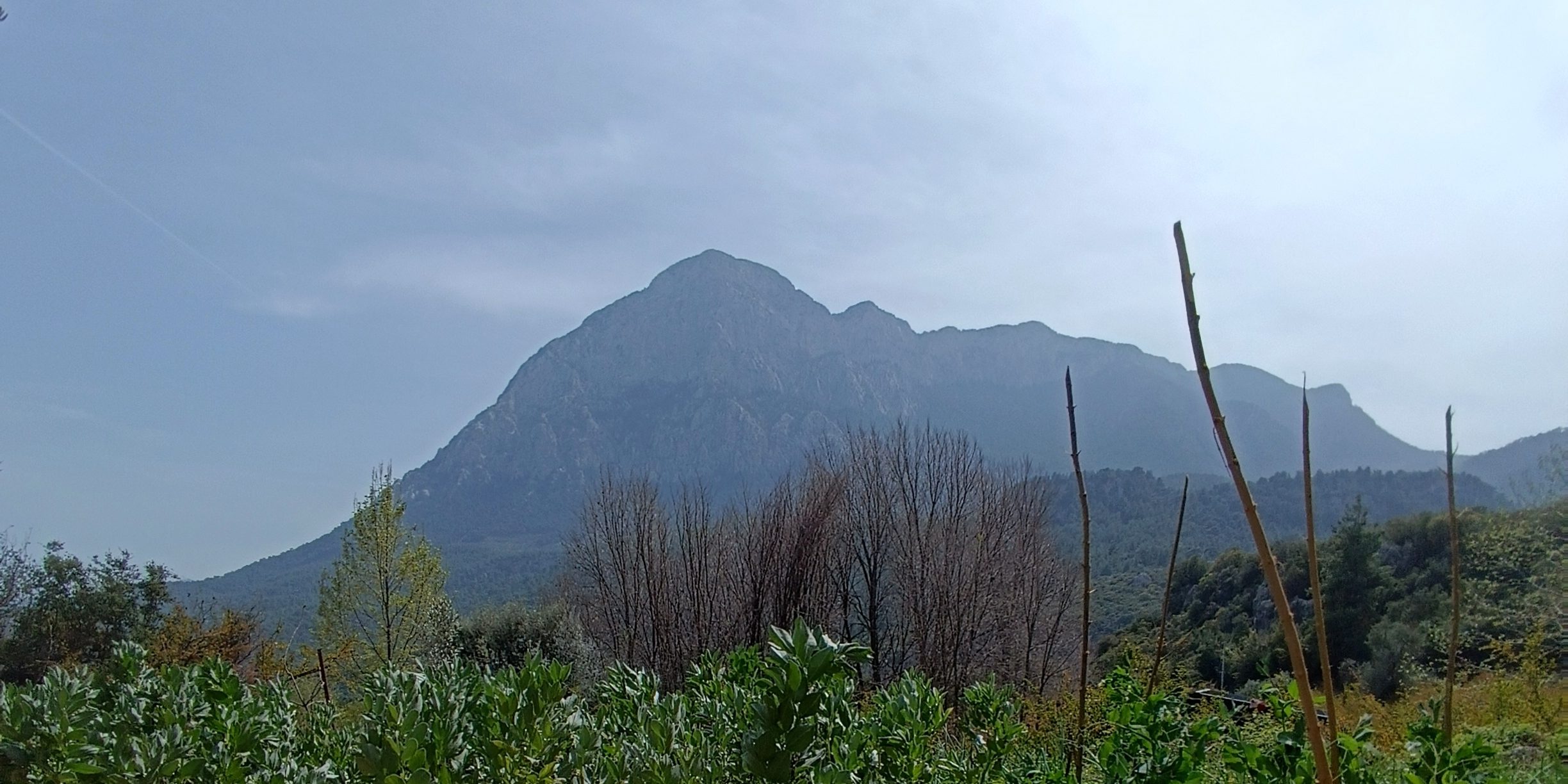
At The Land Geyikbayiri, one of our most treasured resources is our garden. Here, we don’t just provide accommodation—we live in harmony with the cycles of the earth. Seasonal harvests, our vegetable garden, and the abundance of olive and pomegranate trees bring richness to our tables and embody the spirit of The Land.
The Rhythm of the Seasons on Our Table
Throughout the year, our garden follows the natural rhythm of the seasons. In spring, fresh herbs, leafy greens, and legumes sprout; in summer, tomatoes, peppers, cucumbers, and squash add color and flavor. When autumn arrives, our pomegranate, fig, and olive trees offer their bounty. This diversity enriches not only our meals but also the health of the soil itself. Vegetables from our garden, combined with the olives and pomegranates surrounding us and the aromatic touch of lavender and rosemary, create a cycle of nature that is unique to The Land.
From Garden to Table: The Land Kitchen
Everything we grow makes its way to our kitchen, where it is prepared with care and served fresh to our guests. Seasonal vegetables, fruits picked straight from the tree, and herbs gathered from the garden all find their place in the dishes we create, offering flavors that come directly from the earth.
You’ll also find many of our garden products available in The Land’s small market. Whether you enjoy them during your stay or take them home with you, these natural flavors allow you to carry a piece of The Land into your everyday life.
Supporting Local Producers
In addition to our own harvests, we enrich our table with products sourced from nearby villages. Supporting local farmers not only sustains the regional economy but also allows us to introduce our guests to authentic, locally grown flavors.
At The Land, every meal is more than just nourishment—it is a reminder of the bond we share with nature.
Our garden teaches us a simple truth: when we respect the cycles of nature, it rewards us with abundance. Eating with the seasons, returning organic matter to the soil, and supporting local producers—these are small yet powerful steps toward a more sustainable way of life.